Yoga Nidra is one of the easiest ways to give the mind and body real rest without falling asleep. It feels simple when you do it, yet the depth of relaxation it creates is powerful. Many people use it today because it brings quick relief from stress. Anyone can try it, and it does not need any skill or physical effort.
Key Takeaways
- Yoga Nidra creates a deep level of rest that normal sleep does not always give.
- A short session of 20 to 30 minutes can feel equal to hours of deep sleep.
- It works by slowing down brain activity and calming the nervous system.
- It helps reduce stress, improves sleep, and balances emotions.
- It is one of the most beginner-friendly relaxation practices.

What Yoga Nidra Means
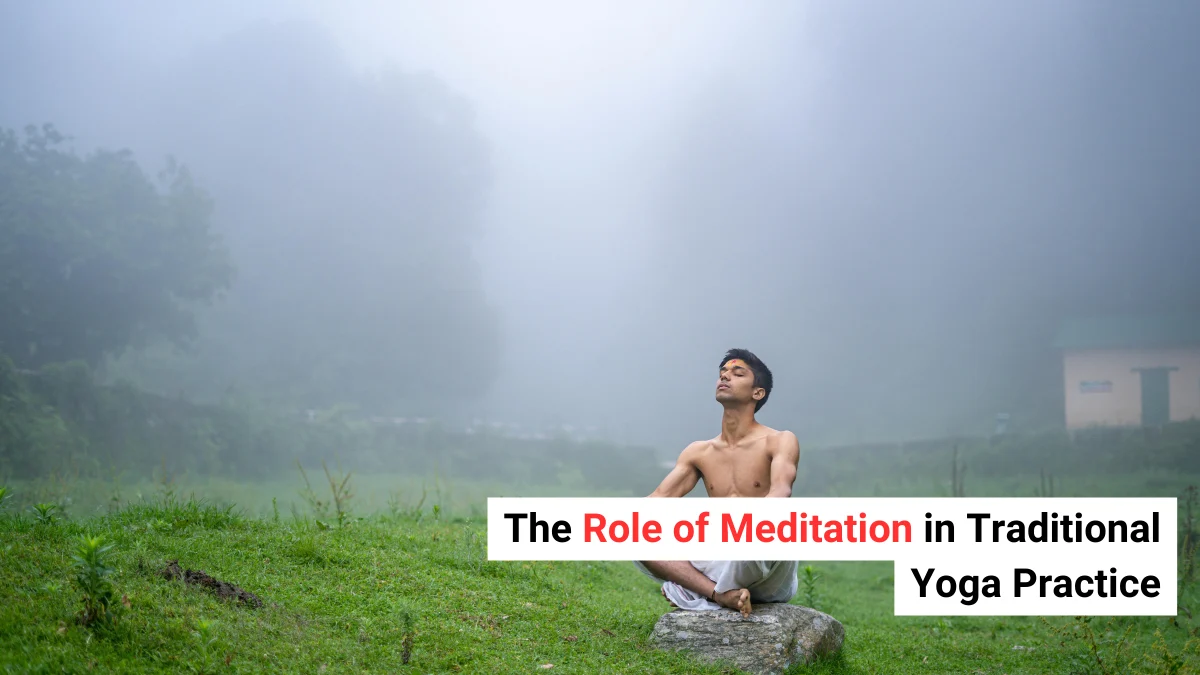
Yoga Nidra is known as yogic sleep. You are not fully awake and not fully asleep. Your mind stays quiet and alert. Your body enters a deep rest state. The practice is done lying down.
A teacher or an audio guide takes you through slow steps like a body scan, simple breathing, light visualisation, and intention setting. There is no movement or stretching. You lie down and follow the voice. This makes Yoga Nidra easy for beginners and effective for people who struggle with meditation.
Why It Is Becoming Popular
Yoga Nidra gives a type of rest that many people do not get during normal sleep. A short session can refresh the mind and relax the body in a short time. People who use it regularly say it helps them feel calm, reduces tension, improves sleep, sharpens focus, and creates emotional balance. It shifts the body from a stress state to a recovery state. For people who live with constant pressure, this shift makes a clear difference.

How Yoga Nidra Works
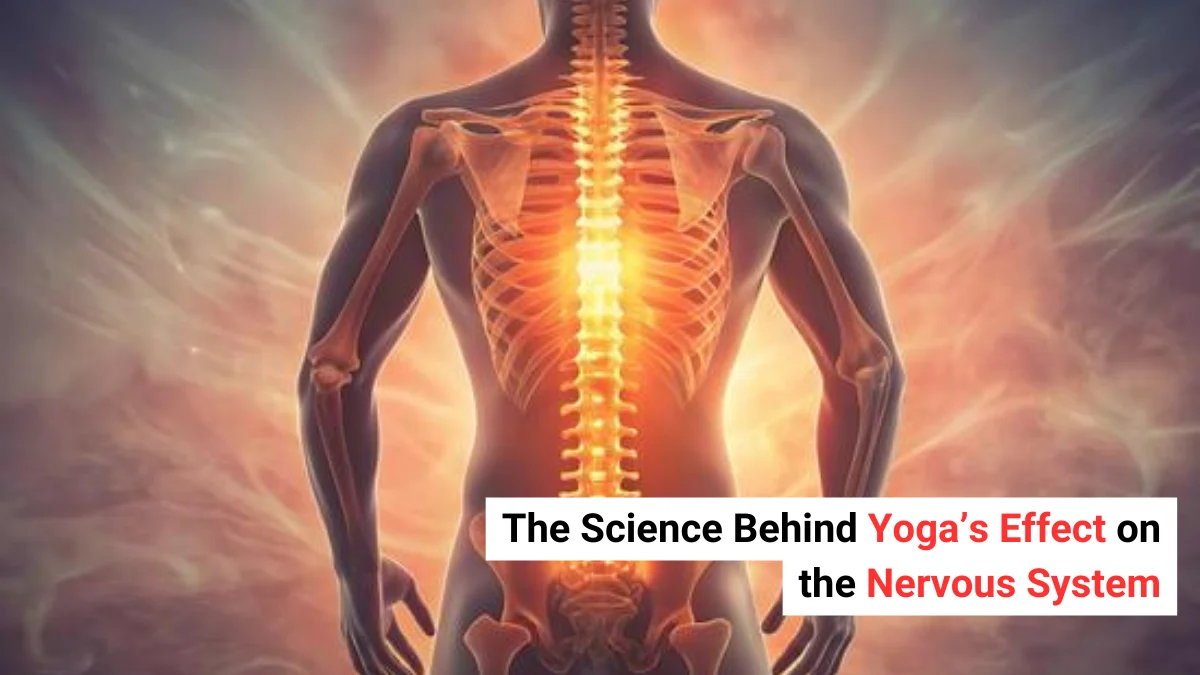
Yoga Nidra slows the brain from active thinking to calmer states linked with recovery. The body enters a deep rest mode, but the mind stays aware. Your breath slows.
Your muscles soften. Your nervous system reduces stress signals. The mind becomes quiet and steady. Some studies call this a non-sleep deep rest state where some parts of the brain rest and other parts stay alert. This balance helps the body repair itself.
Benefits of Yoga Nidra
Yoga Nidra supports both mental and physical health. It is useful for people dealing with anxiety, restlessness, burnout, or emotional load. It also helps the body by improving sleep, lowering blood pressure, relaxing muscles, and keeping hormones stable.
Mental and Emotional Benefits
- Reduces anxiety
- Helps ease depression
- Improves mood
- Supports clarity and focus
- Builds confidence and awareness
- Reduces overthinking
Physical Benefits
- Better sleep quality
- Support for insomnia
- Lower blood pressure
- Relaxed muscles and less pain
- Balanced heart rate
- Stable hormones
- Improved blood sugar levels
Many people also use Yoga Nidra during recovery from stressful life events as it gives a safe space to release emotional weight.
Quick Comparison Table
| Yoga Nidra | Regular Meditation |
|---|---|
| Done lying down | Usually done sitting |
| Very guided | Sometimes self-guided |
| Deep physical rest | Mental focus and stillness |
| Good for beginners | Can feel challenging |
| Feels like dream-like rest | Feels like mental training |
How to Start Yoga Nidra
Yoga Nidra does not need any special setup. You only need a quiet space and a few minutes.
A Simple Beginner Guide
- Find a Comfortable Space
Lie on your back in a relaxed position. Use cushions or a blanket if needed. - Close Your Eyes and Breathe Slowly
Allow your body to settle. - Set a Simple Intention (Optional)
A short line like I choose to rest or I am calm is enough. - Follow a Guided Audio
Choose a recording between 10 and 30 minutes. - Allow the Body to Rest
Your only task is to listen. If your mind wanders, bring it back gently. - Return Slowly
Move your hands and feet, then open your eyes.
There is no rule to follow perfectly. The aim is to rest without effort.
Tips for a Better Experience
- Wear soft and comfortable clothes
- Keep your phone silent
- Use a warm and quiet place
- Try it before sleeping
- Begin with short sessions
- Use headphones for better focus
Doing Yoga Nidra even two or three times a week can improve sleep, focus, and energy levels.
Why You Should Try It Today
Life today comes with constant noise and pressure. Yoga Nidra gives a rare pause. A session of 20 minutes can help you feel light, calm, and more stable. If you face stress, lack of sleep, emotional weight, or simply want a break, Yoga Nidra gives the body the kind of rest it needs.
It is simple, effective, and easy to start at home. One session can create a clear shift in your mood and energy.