Meditation has always been a core part of traditional yoga. It is not an optional step or an extra activity. It is a central part of the practice that supports mental clarity, emotional balance, and spiritual growth.
In many classical texts, meditation is placed at the heart of yoga because it helps calm the mind and bring the practitioner toward inner stability.
New interest in yoga across the world has brought meditation back into focus, as people search for simple ways to manage stress, improve awareness, and build mental strength.
Key Takeaways Role of Meditation In Yoga
- Meditation is a primary component of traditional yoga
- It improves awareness, emotional balance, and inner stability
- It supports relaxation and reduces stress
- Breath control practices prepare the mind for meditation
- Meditation strengthens concentration and helps with self understanding

Meditation as a Foundation in Yoga
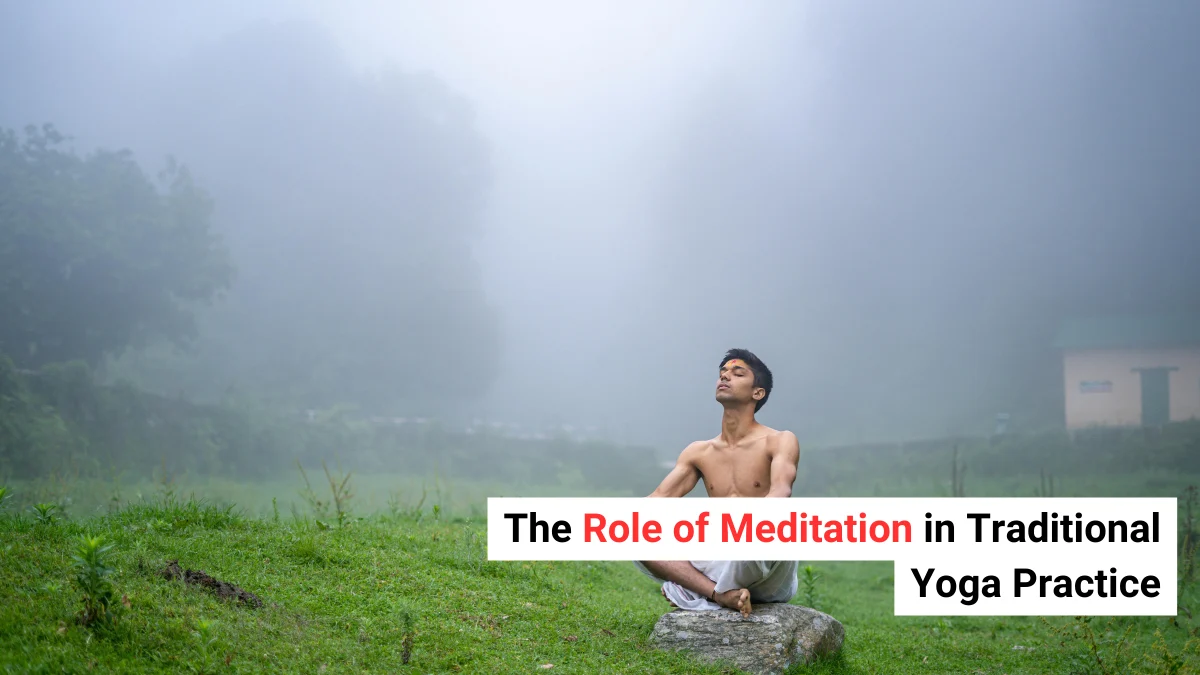
In traditional yoga, meditation is known as Dhyana. It is one of the key limbs described in ancient texts. Dhyana directs the mind toward steady awareness without interruption.
It supports a deeper state of clarity that helps practitioners understand both mental and physical patterns. While asanas work on the body, meditation works on the mind. Both together build a complete yoga practice.
Meditation in yoga involves stillness and focused attention. The goal is not to escape reality. The aim is to see thoughts clearly, reduce noise in the mind, and reach a stable state of awareness. This helps build emotional control and supports the larger purpose of yoga, which is inner balance.
Why Meditation Holds an Essential Place in Yoga
Meditation carries several important roles in traditional practice. It supports mindfulness. It reduces stress. It improves mental sharpness. It strengthens emotional balance. It also deepens the connection between body and mind, which is central to classical yoga.
1) Meditation improves mindfulness
Mindfulness is one of the strongest outcomes of meditation in yoga. It helps the practitioner stay aware of breath, posture, and movement. This awareness leads to better alignment and a more centred experience on the mat. Over time, this mindfulness extends into daily life as well.
2) Meditation supports relaxation
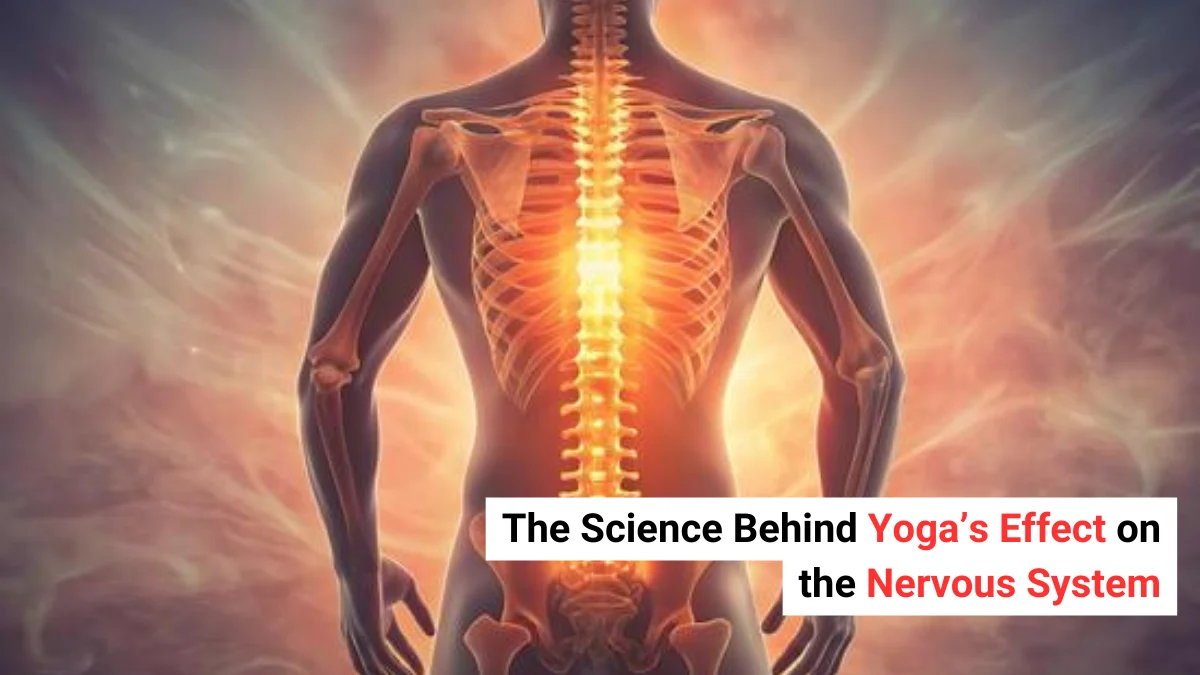
Yoga already supports physical relaxation. When meditation is added, the impact becomes stronger. Focused attention and steady breath reduce tension in the nervous system. This leads to improved sleep, lower stress, and better emotional stability.
3) Meditation helps in self understanding
Meditation allows space for quiet observation. This supports deeper understanding of thoughts and feelings. In traditional yoga, self awareness is seen as the base for personal growth. Knowing one’s mental patterns helps align intention and practice.
4) Meditation builds concentration
Staying focused is important in yoga. Many poses require balance and mental steadiness. Meditation trains the mind to stay on one point. This helps improve posture control and mental strength. A focused mind supports better progress in both practice and daily life.
5) Meditation supports spiritual connection
Yoga is not only physical practice. Many people use it as a path toward spiritual understanding. Meditation helps build this connection. It allows the mind to turn inward. This leads to a sense of inner peace and a deeper link with the self.
How Breath Control Supports Meditation
Breath control practices, known as pranayama, play an important part in preparing the mind for meditation. Traditional yoga considers pranayama a direct path to mental stability. When breath becomes calm, the mind becomes steady. This is why classical teaching encourages pranayama before seated meditation.
Common pranayama techniques include Nadi Shodhana, Kapalabhati, Bhramari, and Ujjayi. These practices improve lung capacity, support energy flow, and help settle the nervous system. With regular practice, the mind becomes more ready for meditation.
Meditation Techniques in Yoga
Traditional yoga includes several forms of meditation. Each technique serves a different purpose. The core idea is to hold attention, reduce distractions, and build inner clarity.
Here is one listicle with the main techniques used in yoga meditation:
- Mindfulness Meditation
Focus on present thoughts and allow them to pass without judgement. - Mantra Meditation
Repeat a word or sound like Om to support steady attention. - Guided Meditation
Follow structured guidance to maintain focus and reduce mental drift. - Silent Meditation
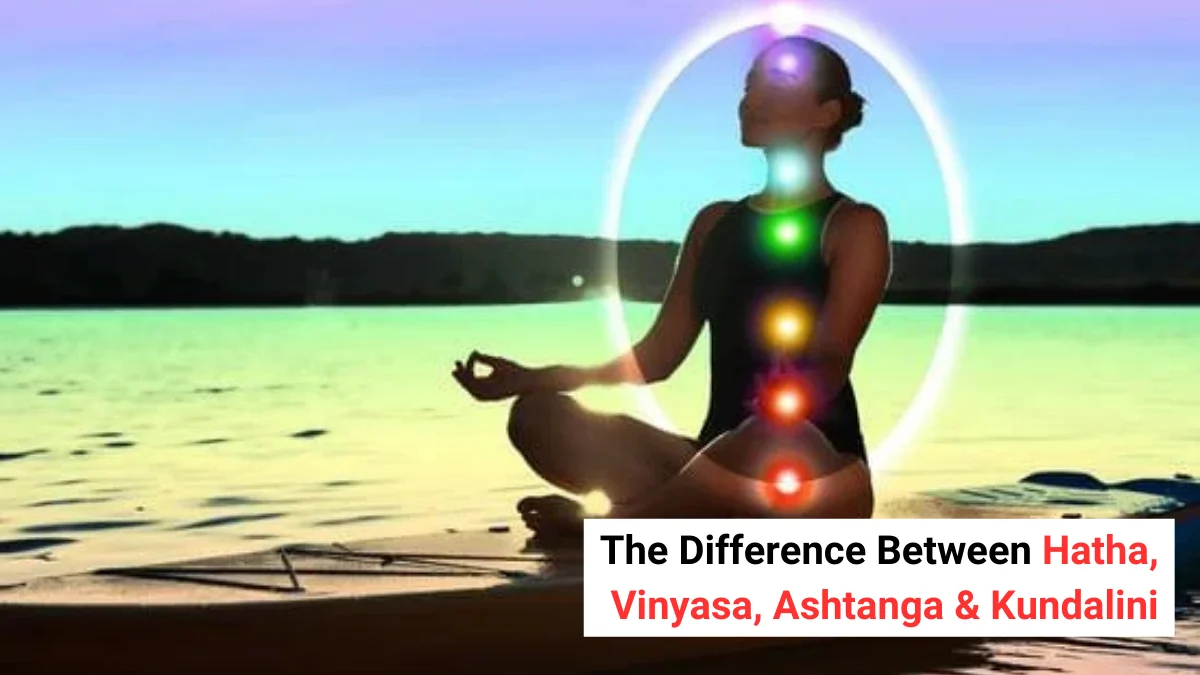
Sit quietly and observe the mind until it reaches a clear state. - Chakra Meditation
Focus on seven energy centres to support balance and inner harmony.
Each technique can be used at different stages of practice. The method chosen depends on the comfort and experience level of the practitioner.
Integrating Meditation Into Daily Yoga
Adding meditation to a yoga routine is simple. It does not require long hours. A few minutes of consistent practice can bring steady improvements. Start with a short session of breathing. Follow it with seated awareness. End practice with a few moments of stillness. This sequence supports both physical and mental clarity.
Using a stable meditation surface can also improve the experience. Many practitioners choose a thicker mat for support during seated sessions. A stable surface helps maintain posture and reduce discomfort during longer periods of stillness.
Meditation for All Levels of Yoga Practice
Meditation is suitable for beginners and advanced practitioners. Those new to yoga can start with basic breath awareness. More experienced practitioners can explore deeper forms such as chakra meditation or silent sessions. Traditional yoga encourages personal pace. The key is consistency. Even short daily sessions lead to long term benefits.
Conclusion
Meditation holds a central role in traditional yoga. It strengthens awareness, supports calmness, and builds emotional and mental balance. When combined with pranayama and asanas, it creates a complete practice that reaches both body and mind.
With steady effort, meditation becomes a powerful tool for inner clarity and personal growth. Whether the goal is stress reduction, improved focus, or deeper self understanding, meditation remains one of the most important parts of yoga.