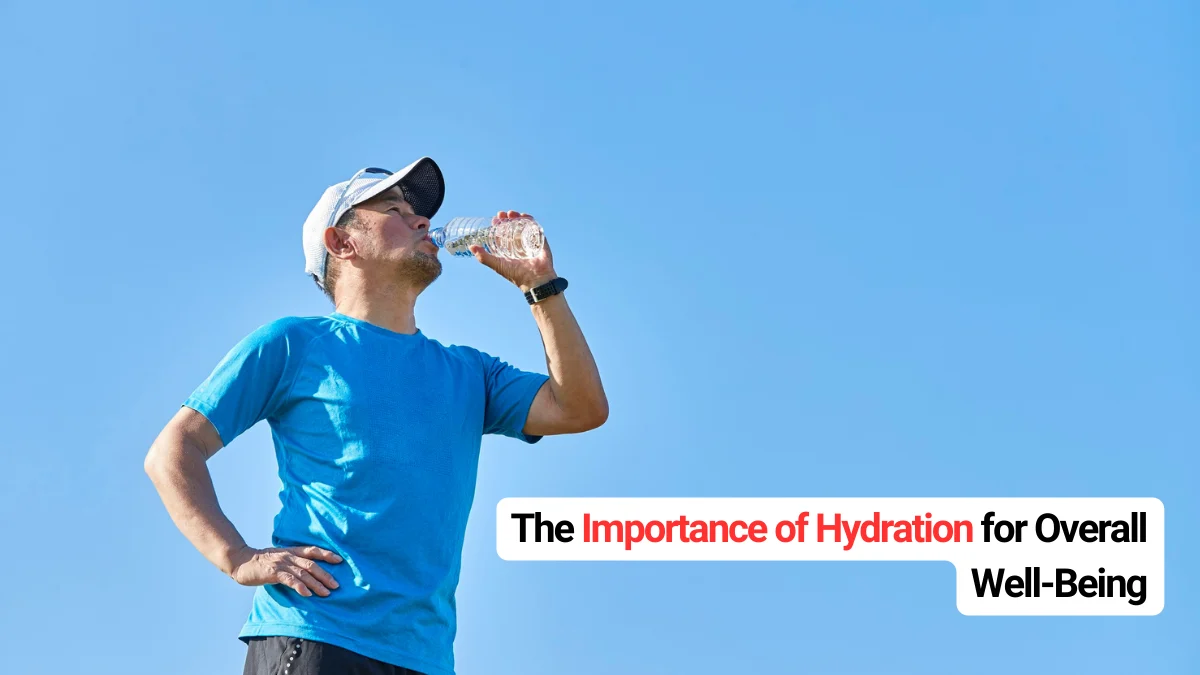
Drinking enough water is one of the simplest habits that can improve your day, your energy, and your long-term health. Yet many people do not notice how much their body depends on hydration until they start feeling dull, tired, or out of balance. Water plays a quiet but essential role in the daily functions of the body. Staying hydrated is one of the easiest ways to feel healthier and more active.
Key Takeaways On Importance of Hydration
- The body relies on water to support most daily functions
- Even mild dehydration affects thinking, mood, and energy
- Good hydration improves digestion, temperature control, and kidney health
- Water helps manage weight and reduces unnecessary snacking
- Staying hydrated protects the joints and reduces discomfort

Why Hydration Matters
The human body is made of nearly 60 percent water. Every organ, muscle, and cell depends on it. Even a small drop in fluid levels can affect how you think, move, and feel. Water carries nutrients. It keeps the brain active. It supports joint movement. It maintains body temperature. It removes waste and toxins. A loss of only 1 to 2 percent of body water can cause headaches, irritability, and lower focus.
How Hydration Supports the Body
Here is what water does for the body each day. It delivers nutrients to the cells. It supports smooth brain function. It reduces tiredness and supports stable energy. It keeps joints moving without friction. It helps maintain temperature balance. It removes waste through urine and sweat. These roles show why hydration is linked with daily comfort and overall well-being.

7 Ways Hydration Improves Your Body
1. Boosts Brain Performance
The brain depends on proper hydration. When water levels drop, you may experience slow thinking, lower focus, mood changes, and headaches. Drinking water across the day keeps the mind clearer and supports steady mental performance.
2. Supports Smooth Digestion
Water helps break down food and move nutrients. It prevents constipation, bloating, gas, and acidity. When digestion slows, the body often needs more water before anything else.
3. Gives You More Natural Energy
Low hydration often leads to low energy. When the body is dehydrated, the heart works harder and oxygen reaches the organs at a slower rate. This creates tiredness. Drinking more water can lift energy levels without needing caffeine.
4. Helps With Weight Control
Water plays a practical role in weight management. It supports fullness between meals. It reduces unnecessary snacking. It improves metabolism. It also replaces sugary drinks. Many people notice that drinking enough water helps control cravings.
5. Reduces Joint Pain
Joints contain a fluid that is mostly water. When hydration is good, this fluid cushions and protects the bones. When hydration falls, stiffness and discomfort increase. Drinking enough water helps support regular movement.
6. Maintains Normal Body Temperature
Water keeps the body cool through sweat. If you do not drink enough, the body holds more heat, leading to discomfort in warm conditions and a higher risk of heat-related issues.
7. Supports Kidney Health and Detox
The kidneys filter waste from the blood. Water helps this process by diluting minerals, preventing kidney stones, reducing the risk of urinary infections, and keeping urine light in color. Good hydration supports long-term kidney health.
Quick Table: Signs of Dehydration
| Mild Dehydration | Severe Dehydration (Seek Help) |
|---|---|
| Thirst | Rapid heartbeat |
| Dry mouth | Confusion or irritability |
| Dark yellow urine | No or very little urine |
| Headaches | Dizziness and fainting |
| Tiredness | Low blood pressure |
How Much Water You Need Daily
There is no single number for everyone, but general guidance helps.
Men: about 3 to 3.5 liters per day
Women: about 2 to 2.7 liters per day
Kids and teens: around 6 to 8 cups
Pregnant or breastfeeding women: need more fluids
Active people or hot weather: increase intake
Water also comes from fruits, vegetables, soups, milk, and herbal teas.
Situations When You Need More Water
You lose more fluids during exercise, hot weather, sweating, fever, illness, diarrhea, vomiting, and while consuming alcohol or high caffeine. In these cases, increasing water intake and adding electrolytes may be helpful.
Easy Tips to Stay Hydrated Every Day
Carrying a water bottle helps you drink more. Have a glass of water with every meal. Add natural flavors like lemon, cucumber, or mint if plain water feels dull. Eat water-rich foods like watermelon, oranges, cucumber, and lettuce. Set simple reminders if you often forget. Check urine color, as pale yellow shows good hydration.
Bottom Line
Hydration is one of the easiest ways to support your overall health. From the brain and joints to digestion and energy, water influences almost every part of your day. A few extra glasses can make you feel more active and focused. It is a small habit with a strong impact, and it becomes more important with age, activity, and lifestyle. Drinking enough water each day is a simple step that builds long-lasting health.