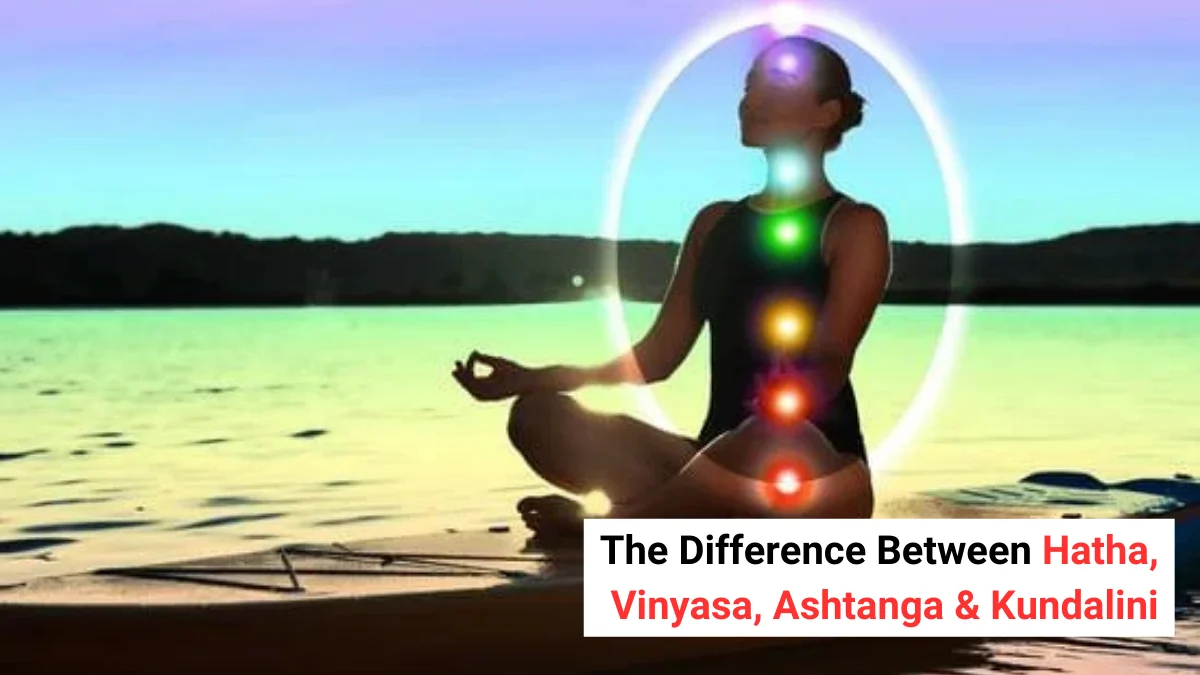
Yoga is often seen as a set of poses and stretches, but the original system is much wider. It offers a full framework for living with more clarity, balance, and discipline.
The idea of the eight limbs can feel complex at first, but each limb has a clear meaning and a direct use in daily life. Together, they form a path that aims to build a steady body, calm mind, and stable inner state.
Key Takeaways On 8 Limbs of Yoga
- The eight limbs describe the full structure of classical yoga
- Each limb supports daily life through ethics, habits, breath, focus, and calm
- The limbs work better when used together but can be practiced individually
- Small actions such as simple breathwork or mindful sitting give clear benefits
- The overall goal is stable awareness and inner ease
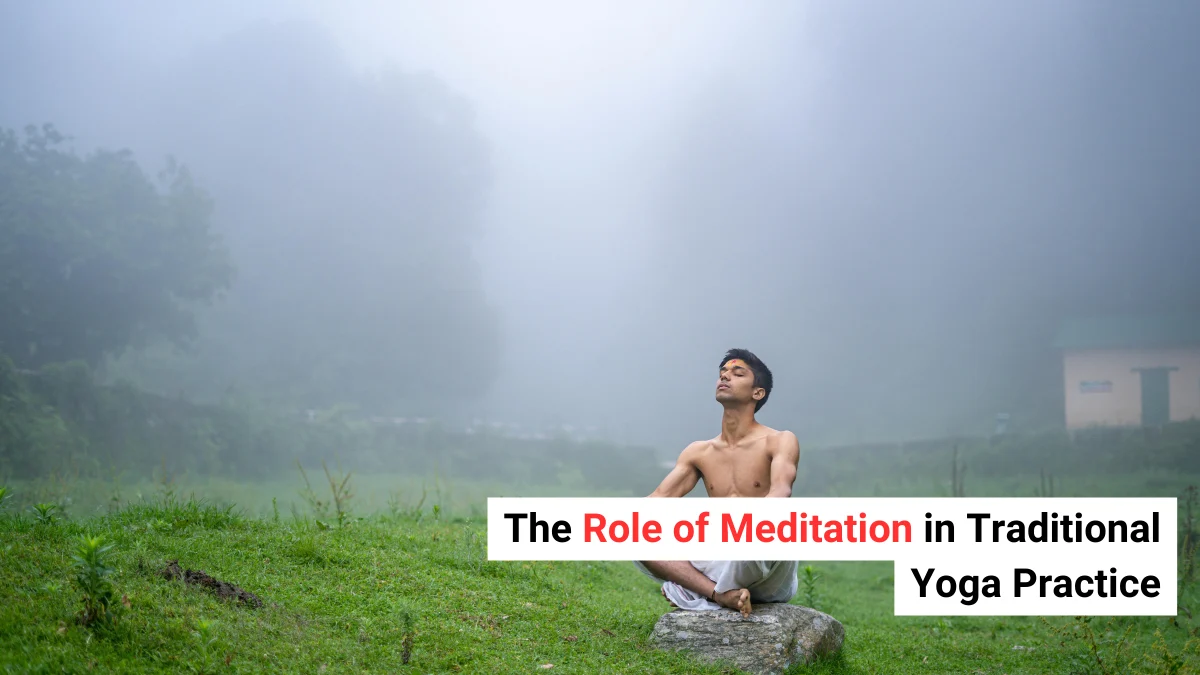
What Are the Eight Limbs
Patanjali described eight connected steps that together form the foundation of yoga. These steps guide behaviour, self-discipline, physical practice, breath control, focus, and deeper states of awareness.
Below are the short meanings of each limb.
Yama – behaviour toward others
Niyama – behaviour toward yourself
Asana – physical postures
Pranayama – breath regulation
Pratyahara – turning attention inward
Dharana – single-pointed focus
Dhyana – steady meditation
Samadhi – deep inner stillness
Quick Table: Limb – Simple Action
| Limb | Try This Today |
|---|---|
| Yama | Speak kindly for one hour |
| Niyama | Clear a small corner of your room |
| Asana | Hold a stable seated posture for two minutes |
| Pranayama | Use 4-4-6 breathing |
| Pratyahara | Keep your phone away for ten minutes |
| Dharana | Focus on a candle or breath for three minutes |
| Dhyana | Sit quietly and observe your thoughts |
| Samadhi | Notice a brief moment of calm without holding it |
A Clear Walk-Through of Each Limb
1) Yama: How We Act With Others
Yamas outline simple ethical behaviour. They include non-violence, truthfulness, not stealing, moderation, and avoiding excess. These values guide social conduct. They remind us to be fair, honest, calm, and thoughtful in daily interactions. Yamas form the base of how yoga translates into real life.
2) Niyama: How We Treat Ourselves
Niyamas relate to personal habits. They include cleanliness, contentment, discipline, self-study, and trust in something higher. These habits encourage routines that keep the mind and body clear. Simple actions such as tidying your space or practicing gratitude reflect this limb.
3) Asana: The Role of the Body
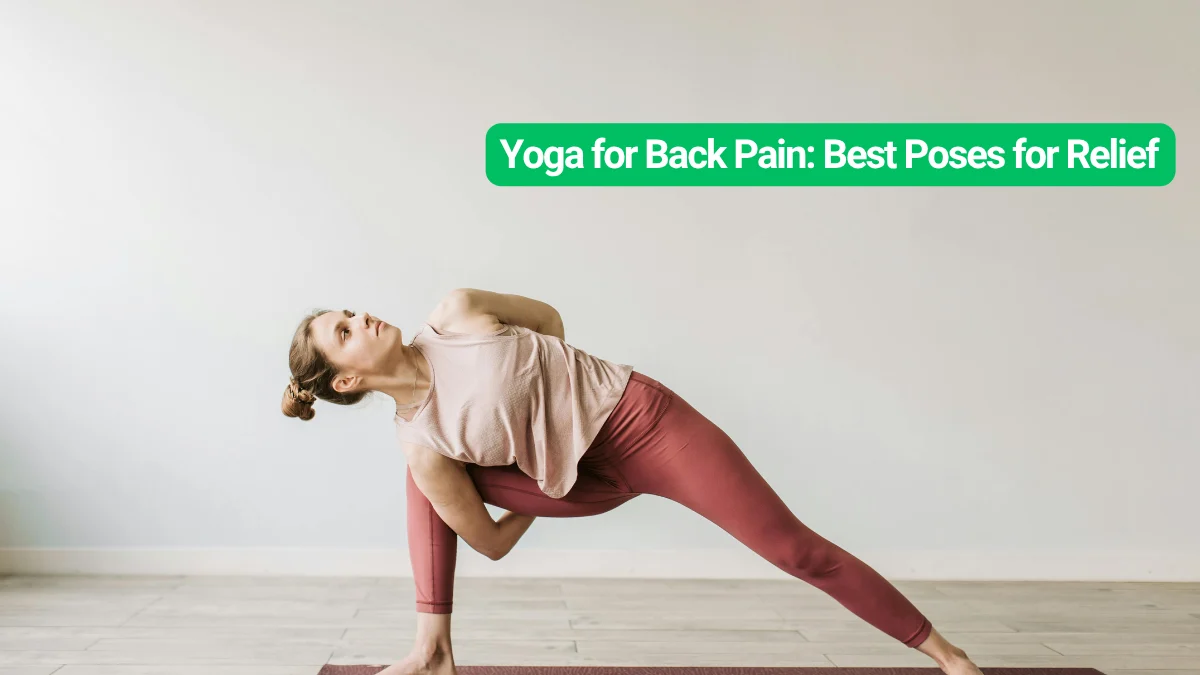
Asana refers to physical postures. In classical yoga, the aim of these postures is to make the body stable and comfortable. This helps the mind settle. The focus is not on extreme flexibility but on a steady and secure body. A calm posture supports a calm mind.
4) Pranayama: Working With the Breath
Breath has a strong effect on how the body and mind feel. Controlled breathing can reduce stress and improve energy. Even brief work with slow breaths can change mood, heart rate, and mental clarity. Simple breath patterns are enough to feel the difference.
5) Pratyahara: Turning Senses Inward
This limb teaches withdrawal from external noise. It does not mean blocking out the world. It means reducing the pull of distractions so attention can move inward. Closing the eyes and sitting in quiet is a small way to practice this. It supports deeper focus.
6) Dharana: Building Focus
Dharana trains the mind to stay on one point. It builds mental strength and helps reduce scattered thoughts. You can practice it by holding attention on a word, sound, breath, or object. This limb develops the skill of staying present on a single task.
7) Dhyana: Flowing Meditation
Once focus becomes stable, it shifts into meditation. Meditation here is not forced. It is steady awareness with less effort. Thoughts may still come, but you observe without reacting. This state helps reduce restlessness and sharpens clarity.
8) Samadhi: Inner Stillness
Samadhi is the quiet end point of the practice. It is a state where the mind feels unified and steady. There is no fight or noise inside. Deep forms of Samadhi take time, but short moments of clarity or ease are early signs of this state. You do not have to chase it. It arises naturally with consistent practice.
How to Use the Eight Limbs in Daily Life
Start with one limb and give it a small place in your routine. A short stretch paired with a few minutes of slow breathing can help more than a long session. Notice simple changes such as better sleep or reduced reactivity. These are the first outcomes of yoga in daily life. The eight limbs are practical tools. They help you move through your day with more balance and less pressure.
Final Note
The eight limbs offer a clear and practical path for physical, mental, and social well-being. You do not need mastery of all limbs. Even a small, honest practice in one or two areas can shift how your day feels. Begin with one simple step and let your practice grow naturally.