If you’ve scrolled through TikTok or Instagram lately, you’ve probably seen someone say “I’m tracking my macros.” But here’s what nobody tells you the game has completely changed in 2025.
Gone are the days of weighing every grain of rice or panicking when you can’t log your restaurant meal. The new approach? It’s smarter, simpler, and way less stressful.
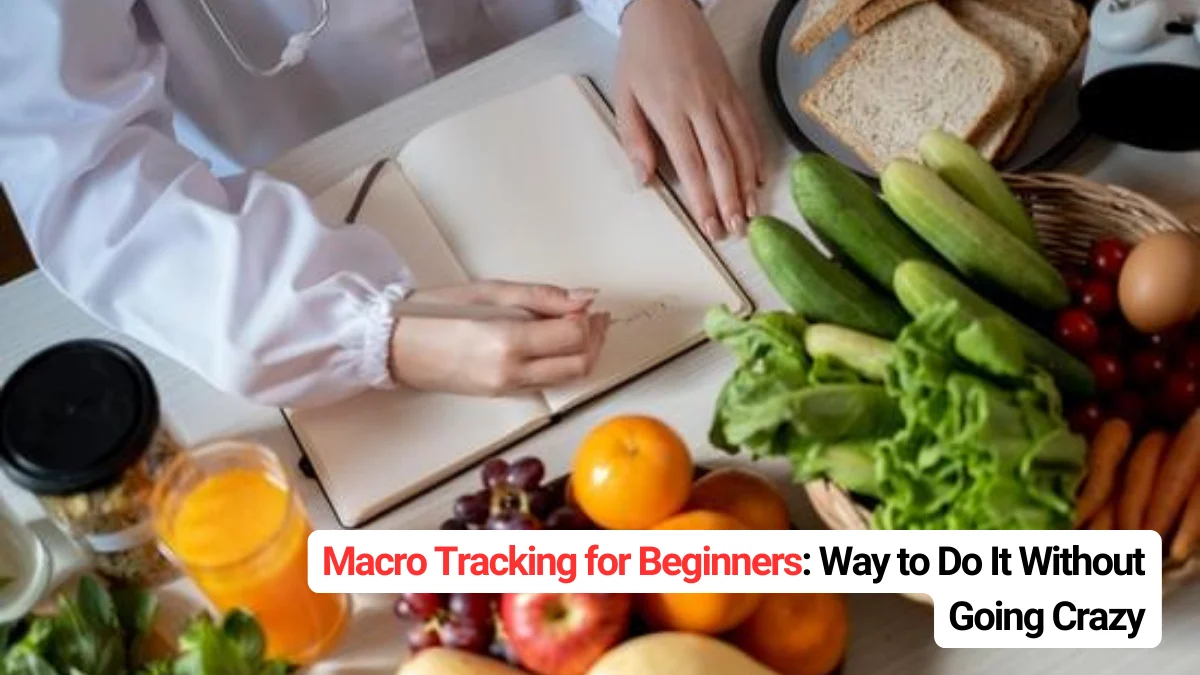
What’s Macro Tracking, Anyway?
Think of macros as the building blocks of your food. There are three main ones:
Protein → Keeps you full, helps build muscle, repairs your body
Carbs → Your brain and body’s favorite energy source
Fats → Supports hormones, brain function, and keeps you satisfied
Instead of just counting calories, macro tracking shows you WHERE those calories are coming from. And that makes all the difference.

Why 2025’s Approach Is Different
Here’s the shift: people aren’t obsessing anymore. The new motto? “Track smart, not hard.”
A recent user on X shared: “I’ve been tracking my macros and I’m loving the results. I recommend everyone doing it for at least a month just so you can have a better understanding of what meeting your dietary goals looks like.”
Notice they said “a month” not forever. That’s the whole point.
The 80/20 Rule Everyone’s Using
Most people are now logging meals during the week and taking weekends off. Or tracking breakfast and lunch, then eyeballing dinner.
The result? You learn what balanced eating looks like WITHOUT becoming a slave to your food scale.
How AI Changed Everything in 2025
Remember when you had to manually type every ingredient? That’s ancient history now.
New apps like MacroAI and BiteRight let you snap a photo of your meal, and AI instantly tells your macros. We’re talking seconds, not minutes.
Even better these apps sync with your Apple Watch or fitness tracker and adjust your targets based on how much you moved that day. It’s like having a nutritionist in your pocket.
The Beginner-Friendly Starting Plan
If you’re new to this, here’s the simple approach that’s working for thousands of people right now:
Week 1: Just Track Protein
Don’t worry about carbs or fats yet. Just focus on hitting your protein goal.
Quick formula: Aim for about 0.7-1 gram per pound of body weight. So if you weigh 150 pounds, shoot for 105-150 grams of protein daily.
Week 2: Add Total Calories
Now that protein feels natural, start paying attention to your overall calorie target. Still not stressing about perfect macros just building awareness.
Week 3+: Balance Everything
Once you’re comfortable, aim for a rough split like:
| Goal | Protein | Carbs | Fat |
|---|---|---|---|
| General Health | 30% | 40% | 30% |
| Fat Loss | 40% | 30% | 30% |
| Muscle Gain | 25% | 50% | 25% |
These aren’t set in stone. They’re starting points that you adjust based on how you FEEL.
The Tools People Are Actually Using
Based on 2025 trends, here are the apps getting the most love:
Cronometer → Best for accuracy freaks who also care about vitamins and minerals
MyFitnessPal → Great for beginners with its huge food database and barcode scanner
Lose It! → Super simple interface, perfect if you hate complicated apps
MacroFactor → Automatically adjusts your macros weekly based on your progress
How to Not Become Obsessed (The Real Talk)
Here’s where most people mess up. They start tracking, see results, then go HARD and burn out in three weeks.
Watch for these warning signs:
- You’re avoiding social events because “you can’t track the food”
- You panic if you forget to weigh something
- You’re thinking about food constantly, even when you’re not hungry
- One “bad” meal ruins your whole day mentally
If any of this sounds familiar, it’s time to loosen up.
The “Good Enough” Method That Actually Works
One user on X summed it up perfectly: “If you want to be lazy with your macros, you will get lazy results.”
But here’s the thing there’s a difference between lazy and sustainable. The sustainable approach?
Weigh food for the first week → This calibrates your eyes
Then estimate using your hand → Palm = protein, fist = carbs, thumb = fat
Track weekly averages, not daily perfection → One high-carb day balanced by a lower-carb day? You’re fine.
What About Eating Out?
This used to stress people out. Not anymore.
The 2025 approach: don’t track restaurant meals. Just make smart choices using what you’ve learned.
Pick a protein, add veggies, include some carbs and healthy fats. Done. No tool needed.
As one person wisely said: “You don’t build sustainable habits by avoiding real life.”
The Exit Strategy Nobody Talks About
Here’s the secret: macro tracking is training wheels, not a lifestyle.
After a month or two, most people can eyeball portions and build balanced plates without logging anything. That’s the GOAL.
You’re not supposed to track macros forever. You’re supposed to learn what your body needs, then trust yourself to do it without an app.
Signs You’re Doing It Right
- You have more energy throughout the day
- You’re not starving between meals
- You understand why certain foods make you feel better
- You can eat out without anxiety
- Progress is happening, even if it’s slow
Bottom Line
Macro tracking in 2025 isn’t about perfection. It’s about awareness.
Track for a month. Learn what balanced eating looks like for YOUR body. Then gradually rely on the app less and your instincts more.
Because at the end of the day, the best nutrition plan is the one you can actually stick with without losing your mind.