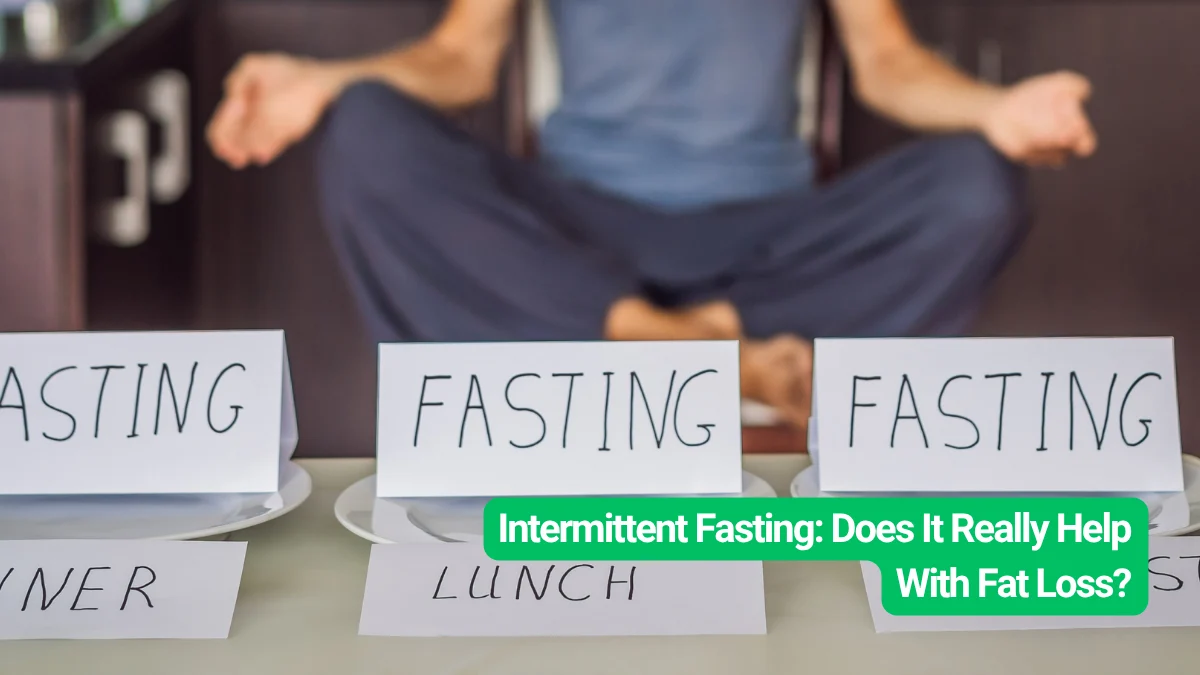
Intermittent fasting continues to stay popular in 2025. Many people follow it because they see friends skipping breakfast or closing the kitchen early and losing weight without much effort. The real question is simple.
Is intermittent fasting better for fat loss, or does it just feel easier than tracking calories every day? New findings from 2024 and 2025 give a clearer view of how it actually works inside the body.
Key Takeaways On Intermittent Fasting
- Intermittent fasting focuses on timing, not specific foods.
- Fat burning increases after the body uses stored glycogen.
- Recent studies show fat loss is similar to normal calorie control.
- Many people prefer fasting because it feels easier to follow.
- IF lowers insulin, improves appetite control, and supports steady energy.
What Intermittent Fasting Really Means
Intermittent fasting is not a diet based on food choices. It is a simple time pattern. You pick hours to eat and hours to fast. Water, black tea, and black coffee are fine during the fasting period.
Common formats followed in 2025:
- 16/8: Eat within an 8 hour window.
- 18/6: A shorter eating window for people who want a tighter routine.
- 5:2: Eat normally for five days and eat very low calories for two days.
- OMAD: One meal a day in a short window.
These methods give structure and reduce random snacking through the day.
Does Intermittent Fasting Increase Fat Burning?
Many people assume fasting burns more fat because of long gaps between meals. The process is simple. After around 10 to 12 hours without food, the body finishes the stored glycogen in the liver. Once that is gone, the body starts using stored fat for energy. This shift is known as metabolic switching. During this time, insulin stays low, which helps the body use fat more easily.
Recent 2024 and 2025 findings published in major medical journals compared intermittent fasting with regular calorie counting. Both groups lost almost the same amount of weight and fat over six to twelve months. The main difference was that people found fasting easier. They ate fewer calories naturally, even without thinking about it. This is why intermittent fasting works for many people. It removes constant decisions about meals and reduces snacking.
So the answer is clear. Intermittent fasting does help with fat loss, but not because it burns more fat than other diets. It works because it reduces overall calories without effort.
Real Changes People See in 2025
Studies from the last year show clear patterns in how people respond to fasting routines. Many men following 16/8 or 18/6 lost 8 to 15 pounds of fat in around eight weeks. Women often saw slower but steady progress. They dropped 4 to 10 pounds in the first month and reported a strong increase in energy.
Another common benefit is improved appetite control. After two or three weeks, people say they feel less hungry during the day. Blood sugar and insulin levels also show improvement, which is useful for people dealing with early signs of diabetes. These results help make fasting a practical choice for long term health.
Popular IF Plans in 2025
| Plan | Eating Window | Best For | Difficulty |
|---|---|---|---|
| 16/8 | 8 hours | Beginners, busy day routines | Easy |
| 18/6 | 6 hours | Faster fat loss | Medium |
| 5:2 | 5 normal days + 2 low calorie days | People who prefer flexibility | Easy |
| OMAD | 1 hour | People who enjoy simple eating plans | Hard |
Who Should Be Careful Before Starting
Intermittent fasting is not suitable for everyone. Some groups should avoid it or ask a doctor first. This includes people who are pregnant or breastfeeding. People under 18 or above 70 should also not start fasting without guidance because research is limited in these ages.
Anyone taking medicines that need food should also check with a doctor. People with a history of eating disorders should avoid fasting. If someone feels too stressed or irritated when hungry, fasting may not be comfortable for them.
How to Start Fasting Without Feeling Tired
Many people think fasting means strict hunger, but small steps make it easier. You can start by shifting breakfast one or two hours later. You can also end dinner by 7 or 8 p.m. which automatically creates a 12 to 14 hour fast.
Drinking water or herbal tea helps reduce false hunger signals. Eating windows should include enough protein and vegetables because they help you stay full for a long time. The first two weeks can feel slightly uncomfortable, but the body adjusts soon.
The 2025 Conclusion
Intermittent fasting continues to show good results because it helps people reduce 300 to 500 calories a day without strict tracking. The fat burning switch is real, but it is not stronger than a normal calorie deficit. If you want a simple plan without counting numbers, fasting can be a good match. If following eating windows feels stressful, regular portion control is equally effective.
The path to fat loss does not depend on one special method. It depends on consistency, comfort, and daily habits. If intermittent fasting fits your routine, you can start with a 12 hour fast tonight and see how your body responds tomorrow.
Your progress depends on steady habits, not strict rules.