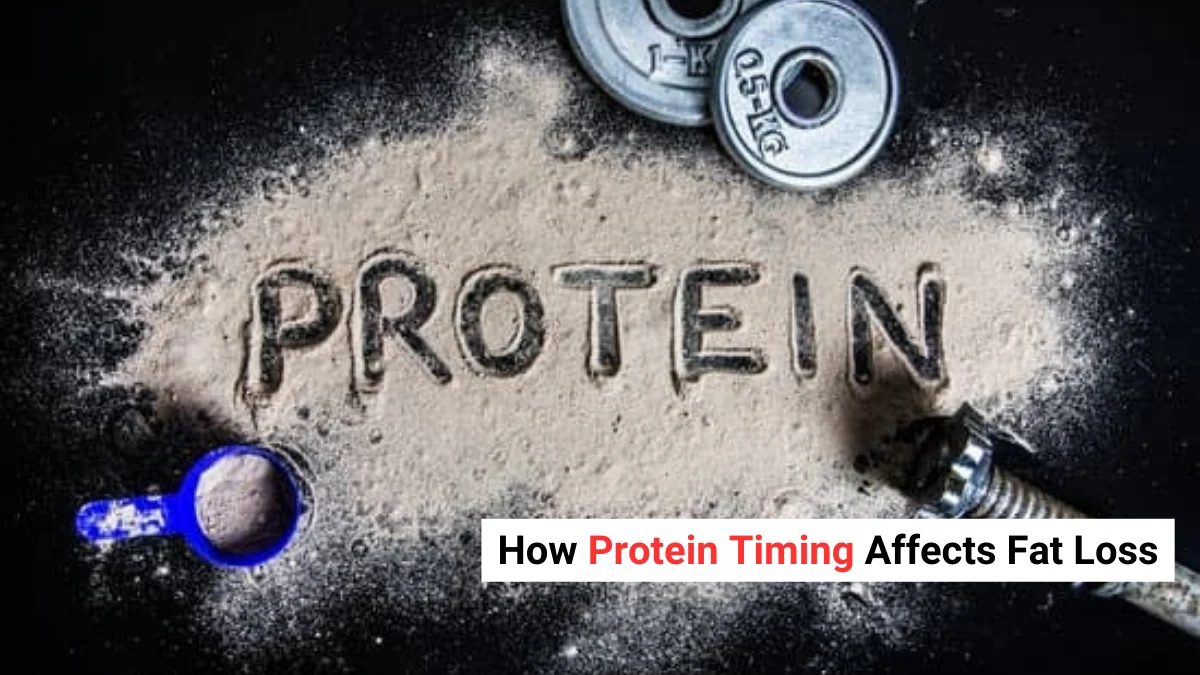
Most people link fat loss to diet and workouts. But there is one factor that often gets less attention. It is the timing of your protein intake. New findings show that the time you choose for a protein meal or shake can influence hunger, calorie burn, energy use, and the fat you lose from exercise.
Small changes in protein timing can increase fullness, raise metabolism, and help protect muscle during weight loss. These effects make fat loss smoother and more sustainable.
Key Takeaways On Protein Timing Affects Fat Loss
- Protein timing plays a direct role in hunger control
- Pre and post workout protein increases calorie burn
- Slow digesting protein at night supports overnight metabolism
- Mid meal protein reduces snacking and stabilises energy
- Correct timing protects muscle during fat loss

Why Protein Matters in Fat Loss
Before looking at timing, it is useful to understand why protein plays a strong part in fat loss. Protein helps the body in several ways that support weight control. It keeps you full for longer. It improves metabolism. It maintains muscle during a calorie deficit. It also requires more energy to digest. Higher protein intake has been shown to support better fat loss and better weight maintenance. New studies now point out that the timing of this protein intake increases these benefits further.
Why Protein Timing Has a Visible Impact
The body reacts in different ways depending on when protein is consumed. Research identifies four main timings that affect fat loss.
1. Protein Before Exercise
Taking protein 30 to 60 minutes before exercise can raise calorie burn during the session and even after it ends. It increases fat oxidation during moderate workouts. It reduces muscle breakdown. It maintains energy. It lifts metabolic rate after the exercise window. Casein, which digests slowly, shows a stronger effect on fat burn during exercise when compared with whey.
2. Protein After Exercise
This is the well known post workout window. People often use it for muscle repair, but it has clear benefits for fat loss too. It raises recovery speed. It increases thermogenesis. It restores amino acids quickly. It helps the body burn more calories in the hours after training. A study reported that whey protein after exercise leads to a rise in resting energy use.
3. Protein as a Mid Meal Snack
A small protein snack between meals is a simple and effective fat loss step. It lowers hunger. It prevents overeating later in the day. It keeps blood sugar more stable. It keeps metabolism active for longer hours. Whey increases fullness hormones which reduce mid day cravings.
4. Protein at Night
Night time protein supports recovery and also helps in fat loss. Casein protein, due to slow digestion, supports overnight repair. It improves morning metabolism. It protects muscle during sleep. It raises 24 hour calorie burn. Slow protein at night does not lead to fat gain. It supports lean mass and improves long term fat loss.
Which Protein When?
| Timing | Best Protein Type | Fat Loss Benefit |
|---|---|---|
| Pre workout | Casein or whey | More fat burned during exercise |
| Post workout | Whey | Higher metabolism and faster recovery |
| Mid day snack | Whey or Greek yogurt | Lower hunger and less overeating |
| Night time | Casein | Stable metabolism through the night |
What Current Research Shows
A wide range of studies point toward common results. Protein increases satiety more than carbs or fats. People tend to eat fewer calories across the day. Higher protein raises thermogenesis, so the body burns more calories during digestion. People who follow higher protein diets lose more fat with better muscle retention.
Pre exercise protein increases fat oxidation. Post exercise whey increases resting calorie burn more effectively than carb intake. Morning protein reduces snacking and supports better weight loss results. These outcomes show that protein works as a targeted fat loss tool when taken at the right time.
How to Use Protein Timing for Fat Loss
Here is a simple plan that suits most people.
Morning
Start the day with a protein rich breakfast such as eggs, whey, yogurt or paneer. This helps control hunger through the day.
Pre Workout
Take 10 to 20 grams of protein from whey or casein. This raises fat burn during the workout.
Post Workout
Take 20 to 25 grams of whey. This supports recovery and increases metabolism.
Mid Day Snack
Have a small protein snack such as yogurt, eggs, or a light shake. This reduces cravings and supports muscle maintenance.
Night
Take one scoop of casein or some paneer. This supports overnight metabolism and recovery. You do not need every step. Adding even two or three timings can lead to visible changes in two to four weeks.
Final Thoughts On Protein Timing Affects Fat Loss
Protein timing does not melt fat on its own. But it increases the results of exercise and controlled eating. It supports hunger management, calorie burn, and energy use. When used with regular activity and balanced nutrition, it becomes a steady and effective fat loss habit. People who struggle with slow results may see better progress by adjusting the timing of their protein intake.