Most people try strict diets or long workouts to drop fat, but one simple change can do more than both. Adding more fiber to your daily meals can help your body burn fat in a natural way. It keeps you full for long hours and reduces sudden cravings.
This is not a new trend. It is something science has supported for years. When you increase fiber the right way, your body starts working with you instead of fighting you.
Key Takeaways
- Eating 25 to 30 grams of fiber can support steady fat loss
- Fiber increases fullness and lowers extra calorie intake
- High fiber meals help control blood sugar and reduce belly fat
- Good gut bacteria grow stronger with fiber and support fat burning
- High fiber foods lower calorie density without reducing portion size

Why Fiber Plays a Strong Role in Fat Loss
Most people take in only about 15 grams of fiber each day. Experts say the body does better when the number reaches 25 to 30 grams. When you get close to that level, the body starts showing clear changes. You begin to eat fewer calories even without planning it.
Your blood sugar stays calm and does not jump up and down. Your gut bacteria also work better and support fat burning. You stay full after meals and feel fewer cravings.
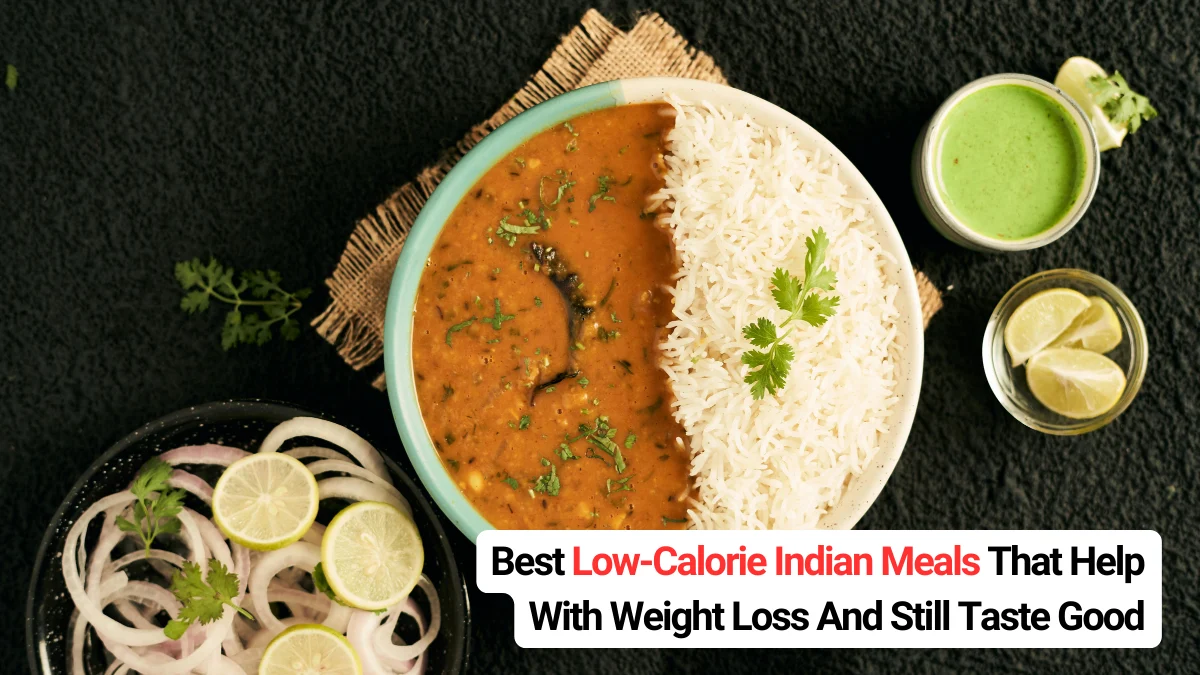
The best part is simple. You do not need to remove your favorite meals. You only add more fiber-rich foods and let them do the work.
How Fiber Supports Fat Loss
There are four clear ways fiber helps your body lose fat. Each one adds up over time and makes a steady difference.
1. Fiber Helps You Stay Full and Eat Less
Fiber adds volume to meals but carries almost no calories. Soluble fiber from oats, beans, and apples absorbs water and forms a soft gel in your stomach. This slows digestion and signals your brain that you are full. You eat less without trying to control yourself.
Research shows that people who reach 30 grams of fiber a day lose around 4 to 5 pounds in a year. This happens because they stop overeating. They are not hungry and do not feel restricted.
2. Fiber Controls Blood Sugar and Lowers Belly Fat
Meals made from white bread or sugary snacks push blood sugar up too fast. Your body then releases more insulin. High insulin levels tell the body to store fat around the belly.
Fiber slows how fast carbohydrates turn into sugar. When there are no spikes, insulin stays stable. This helps reduce belly fat over time. A major review in 2023 found that people who ate meals high in fiber lost more deep abdominal fat than people on low fiber diets. This type of fat is harder to lose, so the change matters.
3. Fiber Feeds Gut Bacteria That Support Fat Burning
Your gut holds trillions of bacteria. When you eat fiber, these bacteria use it as fuel. They produce short chain fatty acids which help your body burn fat in a steady way. These acids also calm hunger hormones.
People with stronger and more diverse gut bacteria stay leaner even when they eat the same number of calories. This shows how much your microbiome matters.
4. Fiber Reduces the Calorie Density of Meals
High fiber foods allow you to eat full plates with fewer calories. You feel satisfied but your calorie intake stays low.
Here is a clear example.
Food Comparison
| Food Choice | Portion Size | Calories | Fiber |
|---|---|---|---|
| White rice + chicken | 1 large plate | ~650 | 1–2g |
| Brown rice + chicken + broccoli + beans | Same large plate | ~480 | 15+g |
You eat the same quantity. You feel full. You take in far fewer calories. This is how fiber creates a natural calorie deficit.
What Studies Show About Fiber and Fat Loss
Several studies support this simple change.
Study Summary
| Study / Year | What They Did | Fat Loss Result |
|---|---|---|
| Harvard study (240 adults) | 30g fiber per day vs normal diet | 4.6 lbs in 12 months |
| POUNDS Lost trial | Added 14g fiber per day | Extra 3.25 lbs in 6 months |
| 2023 metabolic syndrome study | High fiber meals with mild calorie cut | Up to 4.4 lbs + more visceral fat loss |
| Full Plate Living program | More fruits and vegetables with no other rules | Largest weight drop in the group |
These results came from simple shifts. More beans. More whole grains. More fruits and vegetables. No extreme rules.
High Fiber Foods That Taste Good
The list below holds some of the easiest foods you can add today.
| Food | Serving | Fiber (grams) |
|---|---|---|
| Raspberries | 1 cup | 8 |
| Avocado | 1 medium | 10 |
| Lentils (cooked) | ½ cup | 8 |
| Black beans (cooked) | ½ cup | 7–8 |
| Chia seeds | 2 tablespoons | 10 |
| Broccoli (cooked) | 1 cup | 5 |
| Pear (with skin) | 1 medium | 6 |
| Oats (dry) | ½ cup | 4–5 |
| Almonds | 1 ounce | 3.5 |
Simple Ways to Reach 30 Grams Tomorrow
Breakfast: Oatmeal with berries and chia seeds = 15g
Lunch: Swap white rice for quinoa or add beans = 8g
Snack: Apple or pear with almonds = 8g
Dinner: Add broccoli or half an avocado = 8g
This gives you 39 grams without major changes.
Tips to Increase Fiber the Right Way
Start slow. Add around five grams every few days.
Drink more water because fiber absorbs it.
Keep skins on fruits and vegetables.
Use both soluble and insoluble fiber for balance.
The Bottom Line
Fiber is not a trend but it works better than many popular fat loss methods. It supports fullness. It slows sugar absorption. It feeds your gut bacteria. It reduces calories in a simple way. Make plants a larger part of your meals and the fat loss will follow without stress or hunger. Start with one high fiber food tomorrow. You will see the change in a few weeks.